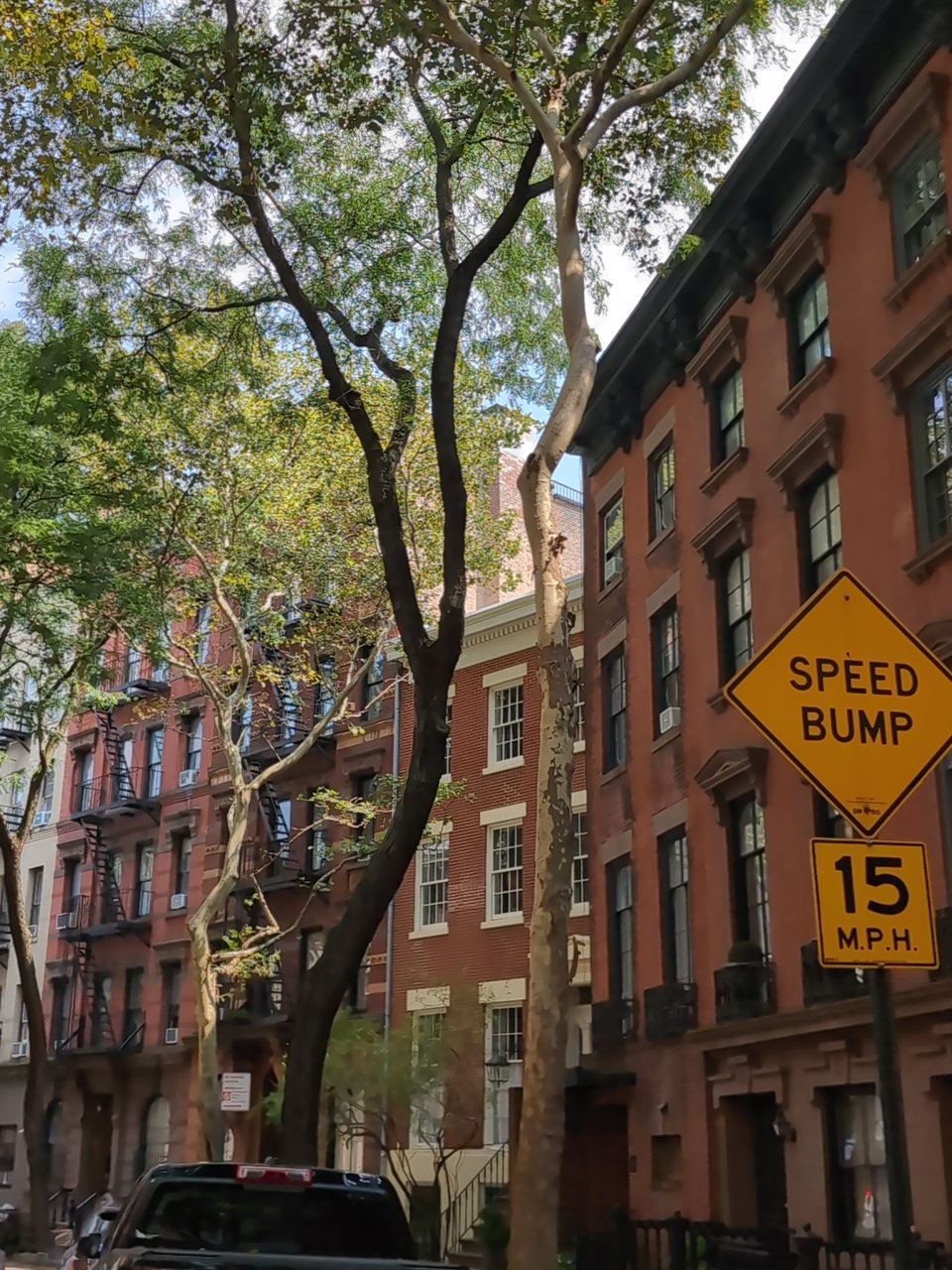
Capture details⌄
- Capture time
- Mon, 10 Aug 2026 18:25:22 GMT (claimed by device)
- Received by server
- Mon, 10 Aug 2026 18:25:26 GMT
- Time anchor
- none — beacon unreachable at capture
- Location
- not shared
- SHA-256
- 69c82a372665e44c48f4c16cdbef240b6208fa74012124764ffc44770f597065
- Poseidon commitment
- 13017532041042609943512992949310624426751487706771675875862709388929095914673
zkVerify verification
FINALIZED ✓- ✓Queued
- ✓Valid
- ✓Submitted
- ✓IncludedInBlock
- ✓Finalized
0x8e8c49fc6d158dc928e6835a63307b1ab5748a6c70023afeeaf109fd56eb97ec
What this proof shows — and what it doesn't
A zero-knowledge proof, verified on the zkVerify network, shows that someone holding a one-time session secret bound this exact image (by its SHA-256 hash), the capture timestamp, the location (if shared), and an unpredictable public beacon (if reachable) together at proving time inside the zkShot capture flow. The beacon, when present, proves the commitment could not have been formed before the time shown in the Time anchor row. If the image integrity check above passes, the image displayed here is byte-identical to the one committed in that proof.
It does not cryptographically prove the photo came from a physical camera sensor, nor that the timestamp or location are accurate — browsers cannot access hardware attestation, and both values are asserted by the capturing device. It also says nothing about what was in front of the camera: photographing a printed picture, another screen, or any staged scene produces an equally valid capture proof of a fake image. Treat it as evidence of an unbroken chain from the zkShot capture session, not as forensic proof of origin or authenticity.
Verification happens at source: this page checks the originally stored bytes. Copies of the photo shared on social platforms are recompressed in transit and cannot be re-verified byte-for-byte — the proof travels with this link, not with the image. For independent verification without trusting this site, download the verification bundle below.